“All the Way” directed by Jay Roach
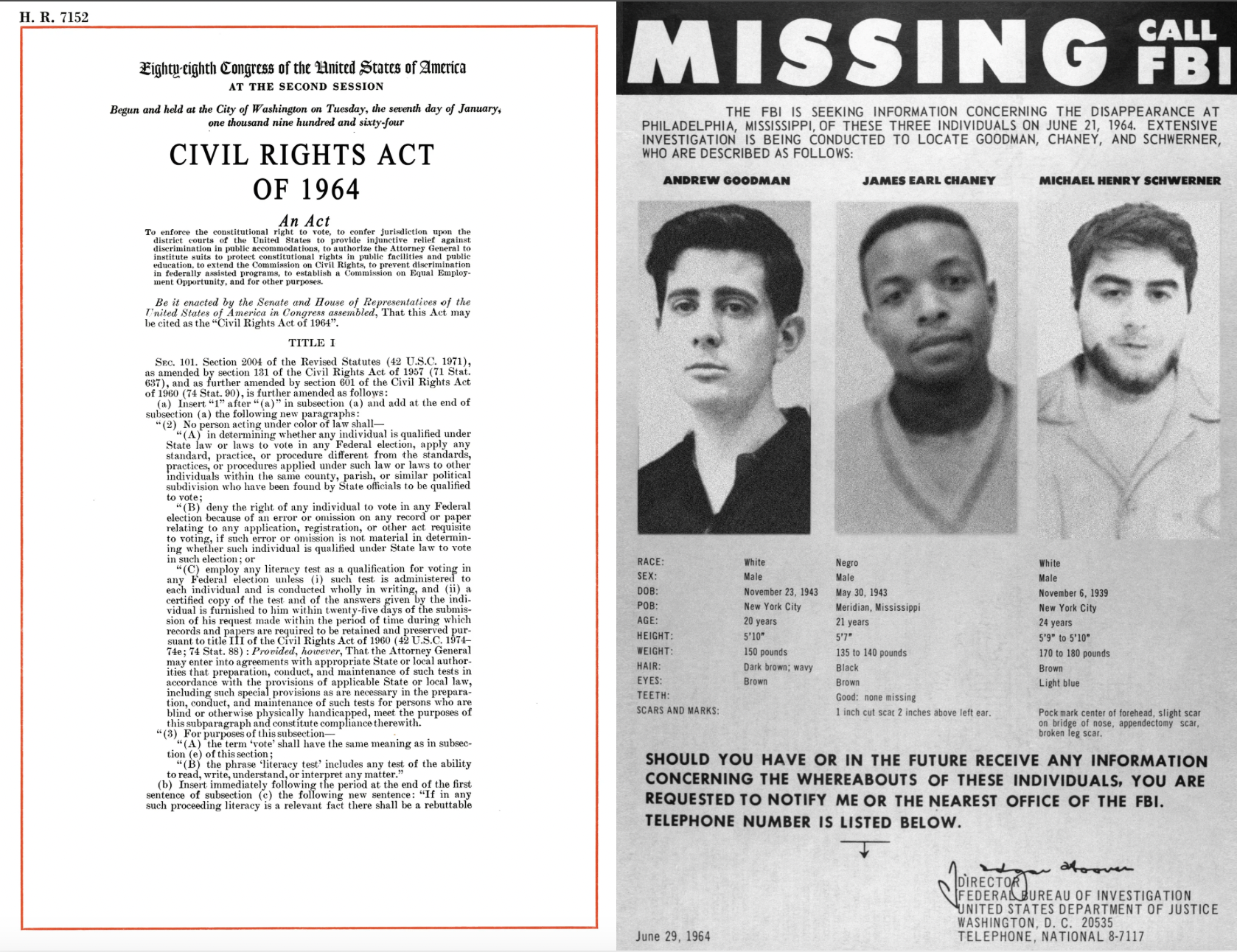
On All the Way, we weren’t just telling a story — we were recreating a real, high-stakes moment in American history: Lyndon B. Johnson pushing the Civil Rights Act of 1964 through. So the props couldn’t be “period-ish.” They had to be dead-on.
The film is based on Robert Schenkkan’s Tony Award–winning play, which was developed through the Oregon Shakespeare Festival before it went to Broadway. That theatre DNA was baked into the whole process — rehearsals were run like a live stage production, with the cast working scenes the way you would in theatre, not like a typical film where everything gets built in pieces.
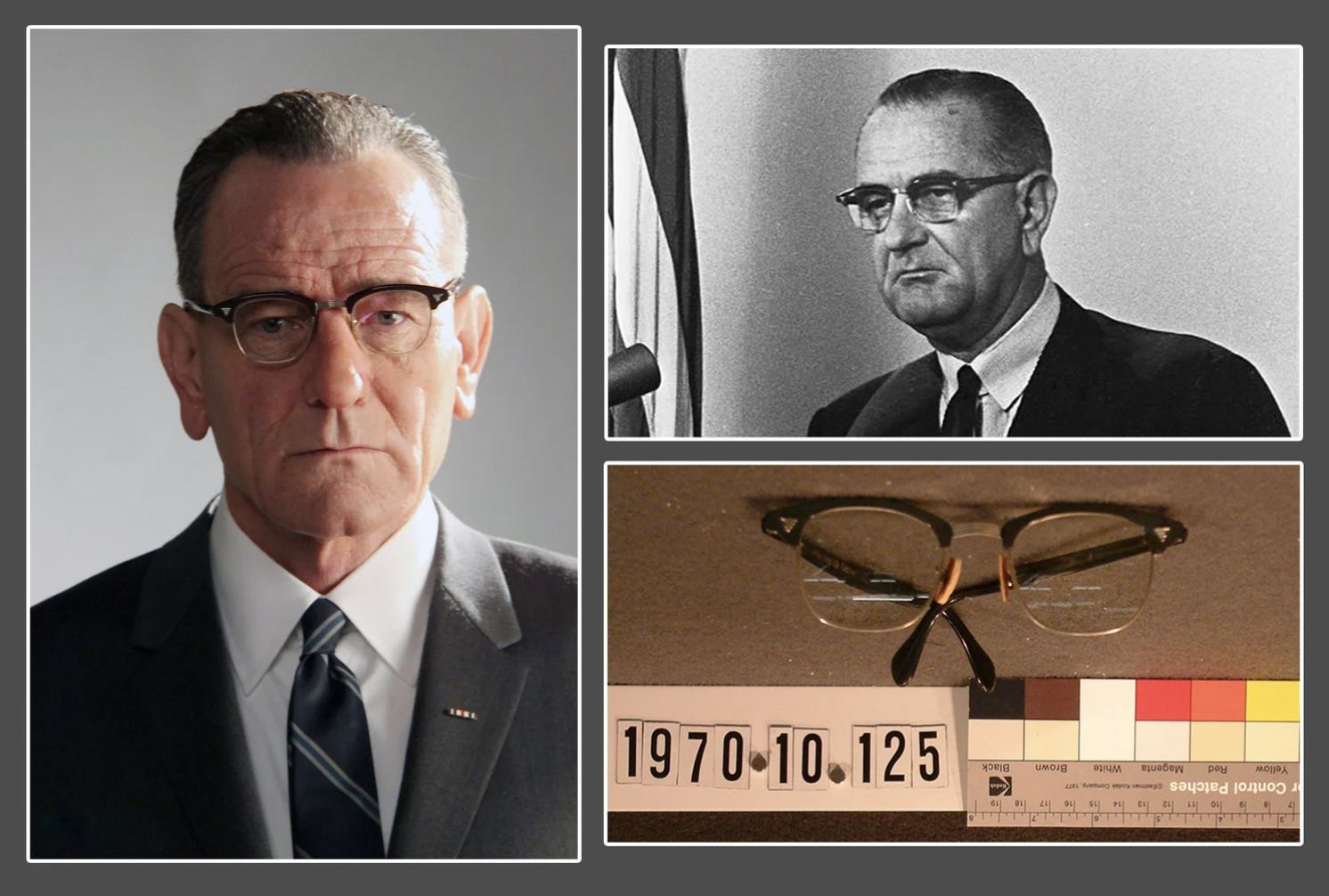
I’d worked with Jay Roach before on Dinner for Schmucks, so I already knew how detail-oriented he is. With a director like Jay, you don’t get to hand-wave anything — and on a project like this, you shouldn’t. We worked extremely hard to make the props as historically accurate and faithfully recreated as possible.
And because Bryan Cranston had already lived inside LBJ on stage — and won the Tony for it — it raised the bar even higher. I worked closely alongside him to help build a world that felt completely real to inhabit, not just accurate to look at. When an actor is doing that level of work, the details matter in a different way — the right weight in the hand, the right shape, the right era-specific function — because it all feeds the performance.
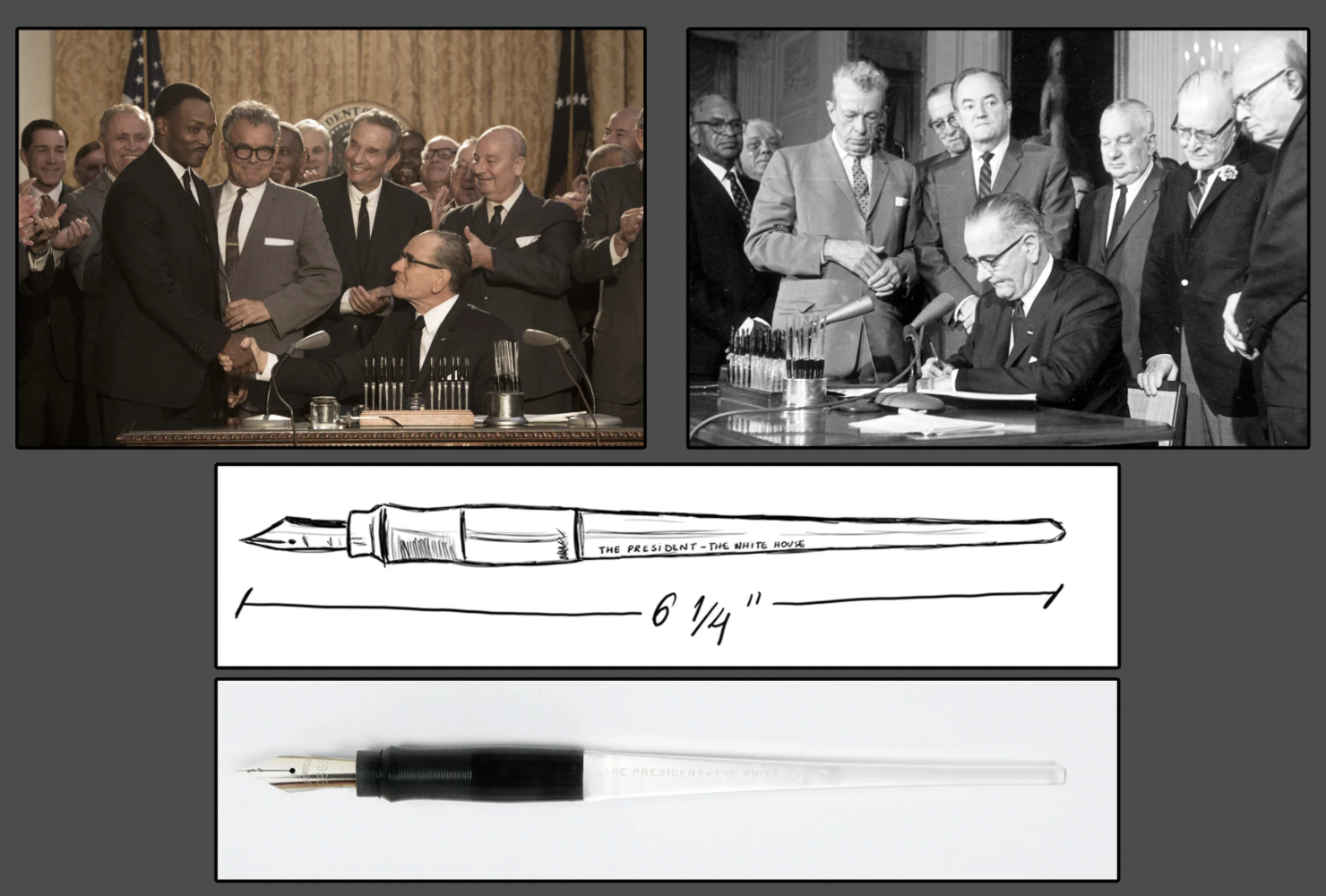
I collaborated directly with the archivists at the LBJ Library and spent weeks buried in research to match the real items as closely as possible. We replicated LBJ’s personal pieces — his watch and glasses — down to the correct size and model. I also helped recreate hero props that were central to the story: the Dictaphone he used in the White House, an exact replica of the bill itself, and the fountain pen used to sign it.
The goal was always the same: respect the history, support the performance, and make the world feel so authentic that the audience never questions a single thing they’re seeing.